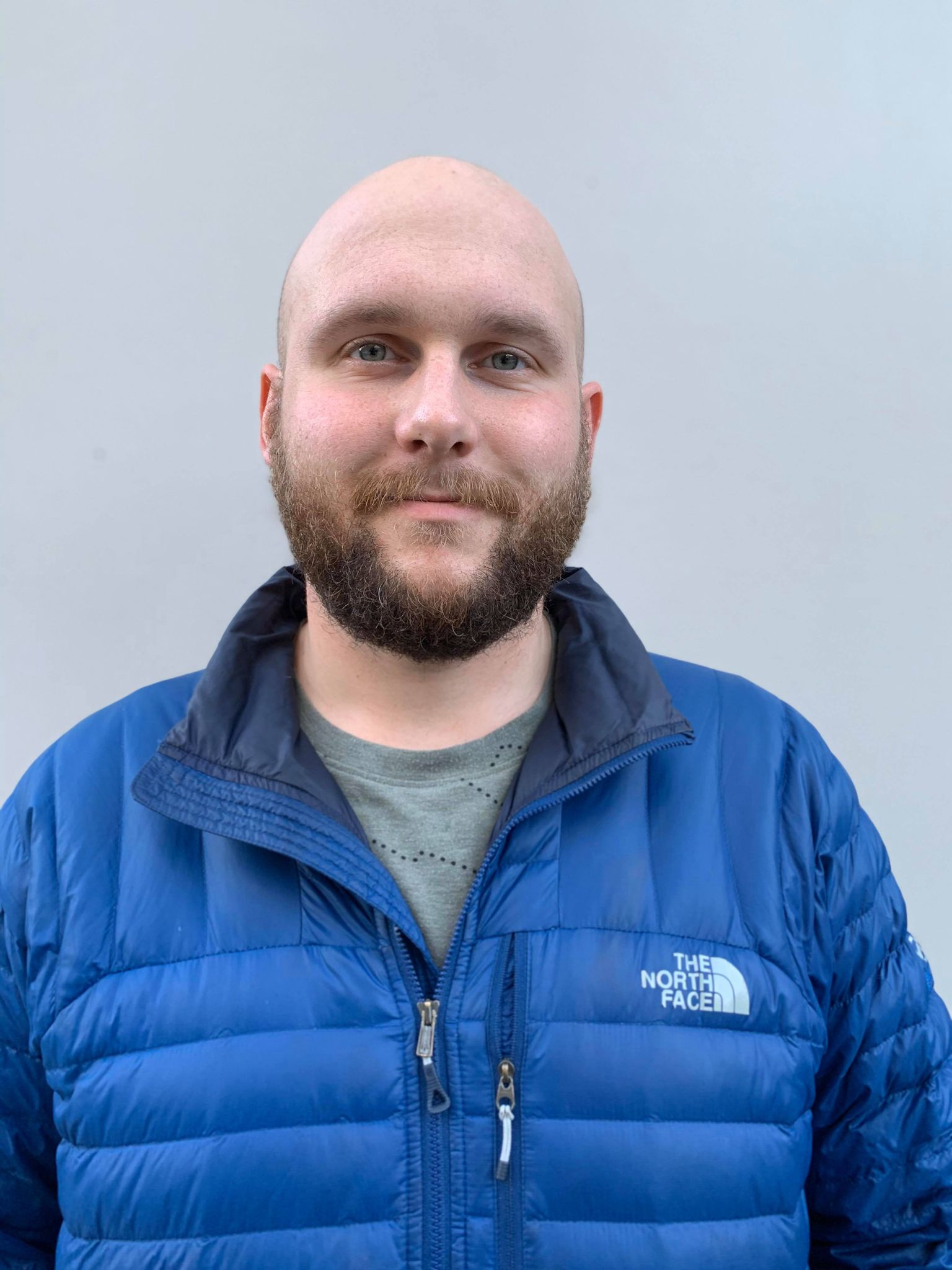
Transfer Scholarship alumni first to donate back to future students.
Shan Siddiqui made a pledge to himself a decade ago: as soon as he was in a position to do so, he would help others the way someone had once helped him.
In 2010, Siddiqui was the recipient of an Ike Barber Transfer Scholarship. The $5,000 award helped Siddiqui transfer from Douglas College to the University of British Columbia to complete his studies in social science. Since that time, repayment of the Transfer Scholarship was a quiet goal Siddiqui held close to his heart, knowing it would be an important milestone for him to achieve.
Barely 10 years later, Siddiqui fulfilled his promise. Last fall, he donated the entirety of his award back to the Irving K. Barber British Columbia Scholarship Society, which is a partner of the Victoria Foundation.
“Being a previous recipient puts me in a special place,” says Siddiqui, now the community education program facilitator for the City of Richmond. “It gives me a good perspective as to what it means to be a scholarship applicant and recipient.”
It wasn’t just significant to Siddiqui — this move represented the first time a scholarship recipient has donated the value of an award back into the fund.
“It’s exceptionally rare to see a scholarship recipient giving back in this way, and it’s something we’ve never seen before,” says Rory Grewar, director of special funds at the Victoria Foundation and program director for the Society. “What’s incredible is that philanthropists tend to emerge in the sunset of their careers, but this young man is stepping up at the beginning of his career and making good on a promise he made himself to make a difference by giving back to others.”
The Irving K. Barber British Columbia Scholarship Society was created in 2004 to help British Columbia students complete their post-secondary studies. Philanthropist Irving K. (Ike) Barber, the Society’s namesake, was a Canadian forest industrialist and founded Slocan Forest Products Ltd. Barber himself dropped out of school in Grade 11 to pursue the trades and to sign up for military service. After his service, he was given one free month of university education for every month served during the Second World War. He attended the University of British Columbia, where he graduated with a Bachelor of Science in Forestry in 1950. Historians say Barber credited the impact of his “second chance at education” as the reason for his support for various educational programs in BC.
“Ike spent a lot of his time and efforts in the small forestry communities around BC, and he was interested in the plight of rural students getting a higher education,” says Grewar. “He had a great passion for education and felt rural students were at a disadvantage in accessing postsecondary education — he believed they could use a leg up.”
The Ike Barber Transfer Scholarship responds to this need. Students who are transferring between two public BC post-secondary institutions in order to continue their education can apply for one of the scholarships. In 2019, the Society allocated over $3.5 million in post-secondary awards — $800,000 for Transfer Scholarships. Grewar says in the 15-year history of the Society, which has seen over $23 million granted to BC students through a variety of programs, Shan Siddiqui is the first to donate back the value of his original award.
“The Transfer Scholarship was created to facilitate the movement of students,” says Grewar. “It is merit based, and Shan won it because he was an exceptional student. Part of his exceptional nature is ensuring that this money goes right back to another student who will need it, too.”
Since his studies, Siddiqui has continued to be an active volunteer in a number of communities and has acted as a broad-based admissions reader for UBC. He facilitates hand drumming and dance in Richmond and dedicates his time for a number of sporting events in the city. He also participates in blood drives, food security action, and cultural support for newcomers. As someone at the helm of community work, Siddiqui sees the challenges people face when met with life or school changes.
“Even though it’s been about 10 years since I was a recipient, this [scholarship] had a huge impact for me, and now I’ve been able to come full circle,” says Siddiqui. “Helping others in this way is very meaningful to me. There have been many people who supported me, and I care a lot about contributing back to the community. We can have an impact on each other.” Grewar hopes Siddiqui’s decision may inspire others to reflect on how people have helped them — no matter how far out of school they may be — and to consider the privilege of doing the same. “We associate scholarships with our success, but it’s worth remembering that success is usually achieved because others have helped us along the way,” says Grewar. “Someone giving back a scholarship recognizes that, when they needed help, others were there to lend a hand. Giving back to another generation is a powerful choice.”
Siddiqui says scholarships offer an added validation to encourage people to pursue their goals.
“Awards like this are really a way to say, ‘What you’ve been doing is worthwhile. Keep going,’” says Siddiqui. “You can see yourself reflected in the recipients — they are a previous version of you and, one day, they may be the next generation of donors.”
This story originally appeared in Pulse Magazine: victoriafoundation.bc.ca
Photo by David Strongman